Bosch Rexroth

Elevating Industrial Efficiency with The Bosch Rexroth Drive Technology

In the ever-evolving world of industrial automation, Bosch Rexroth stands out with its innovative solutions in drive and control technologies. These advancements are not just incremental improvements but represent a significant leap forward in efficiency, reliability, and performance, setting new industry standards.

Seamless IoT and Industry 4.0 Integration

One of the most notable advancements in Bosch Rexroth technology is the seamless integration of Internet of Things (IoT) capabilities and Industry 4.0 principles into its drive systems. This integration allows for real-time monitoring, data collection, and predictive maintenance, enabling businesses to manage their equipment proactively. With IoT, downtime is minimized, energy consumption is optimized, and the lifespan of machinery is extended.

Advanced Motion Control Technology

Another key innovation is in motion control technology. Bosch Rexroth’s drives now feature enhanced accuracy and responsiveness, crucial for high-speed and high-precision applications. This results in smoother operations, less wear and tear, and improved overall productivity. Enhanced motion control capabilities mean that operations can be carried out with greater accuracy and speed, boosting overall productivity.

Energy Efficiency and Sustainability

Bosch Rexroth’s focus on energy efficiency stands out. Their drives incorporate regenerative energy systems that recover and reuse energy that would otherwise be wasted. This not only reduces overall energy consumption but also lowers operational costs, contributing to a more sustainable manufacturing process. In today’s environmentally conscious world, sustainability is a key consideration for many businesses, and Bosch Rexroth’s commitment to energy efficiency and waste reduction aligns perfectly with these sustainable practices.

Modular and Scalable Systems

Bosch Rexroth’s drive solutions are also highly modular and scalable, making them adaptable to various industrial applications. This flexibility allows companies to customize their systems to meet specific needs and scale them up or down as required. The modular design simplifies maintenance and upgrades, ensuring long-term adaptability and cost-effectiveness. Unlike traditional drives that may require significant modifications for different applications, these drives can be easily configured to meet specific requirements, saving time and resources and ensuring the systems can evolve with the business.

Advantages Over Traditional Industrial Drives

Superior Efficiency

The integration of IoT and real-time data analytics leads to superior efficiency. Better energy management and optimization results in reduced energy waste, lower operational costs, and a smaller carbon footprint.

Enhanced Reliability and Performance

The precision and responsiveness of Bosch Rexroth drives ensure consistent and reliable performance, reducing the risk of unexpected breakdowns and maintenance issues common with conventional drives. This reliability translates to increased productivity and less downtime.

Cost Savings

Cost savings are another significant benefit. The energy-efficient design and regenerative systems of Bosch Rexroth drives lead to substantial cost reductions over time. Lower energy consumption directly impacts utility bills, while predictive maintenance features help identify potential issues before they become costly problems, avoiding expensive repairs and prolonged downtime.

Conclusion

In conclusion, Bosch Rexroth’s advancements in industrial drive technology represent a significant leap forward in efficiency, reliability, and sustainability. Integrating IoT capabilities, enhancing motion control, and prioritizing energy efficiency, these drives offer numerous advantages over traditional systems. For businesses aiming to optimize their operations and stay competitive, investing in Bosch Rexroth technology is a strategic move promising long-term benefits and superior performance. Bosch Rexroth continues to lead the way in industrial automation, setting new benchmarks and paving the path for a more efficient and sustainable future.


Sources:

  1. Bosch Rexroth IoT Integration. Bosch Rexroth Official Website
  2. Industry 4.0 and Bosch Rexroth. Automation World
  3. Advanced Motion Control by Bosch Rexroth. Control Engineering
  4. Energy Efficiency in Bosch Rexroth Drives. Energy Efficiency Magazine
  5. Modular and Scalable Systems by Bosch Rexroth. Manufacturing Automation
  6. Efficiency Gains with Bosch Rexroth. Industrial Equipment News
  7. Reliability of Bosch Rexroth Drives. Engineering Review
  8. Cost Savings through Bosch Rexroth Technology. Industrial Cost Management
  9. Sustainability Initiatives by Bosch Rexroth. Green Manufacturing Journal
  10. Flexibility of Bosch Rexroth Systems. Flexible Manufacturing
Metaverse

Virtual Voyages: Embracing the Metaverse in Travel & Hospitality

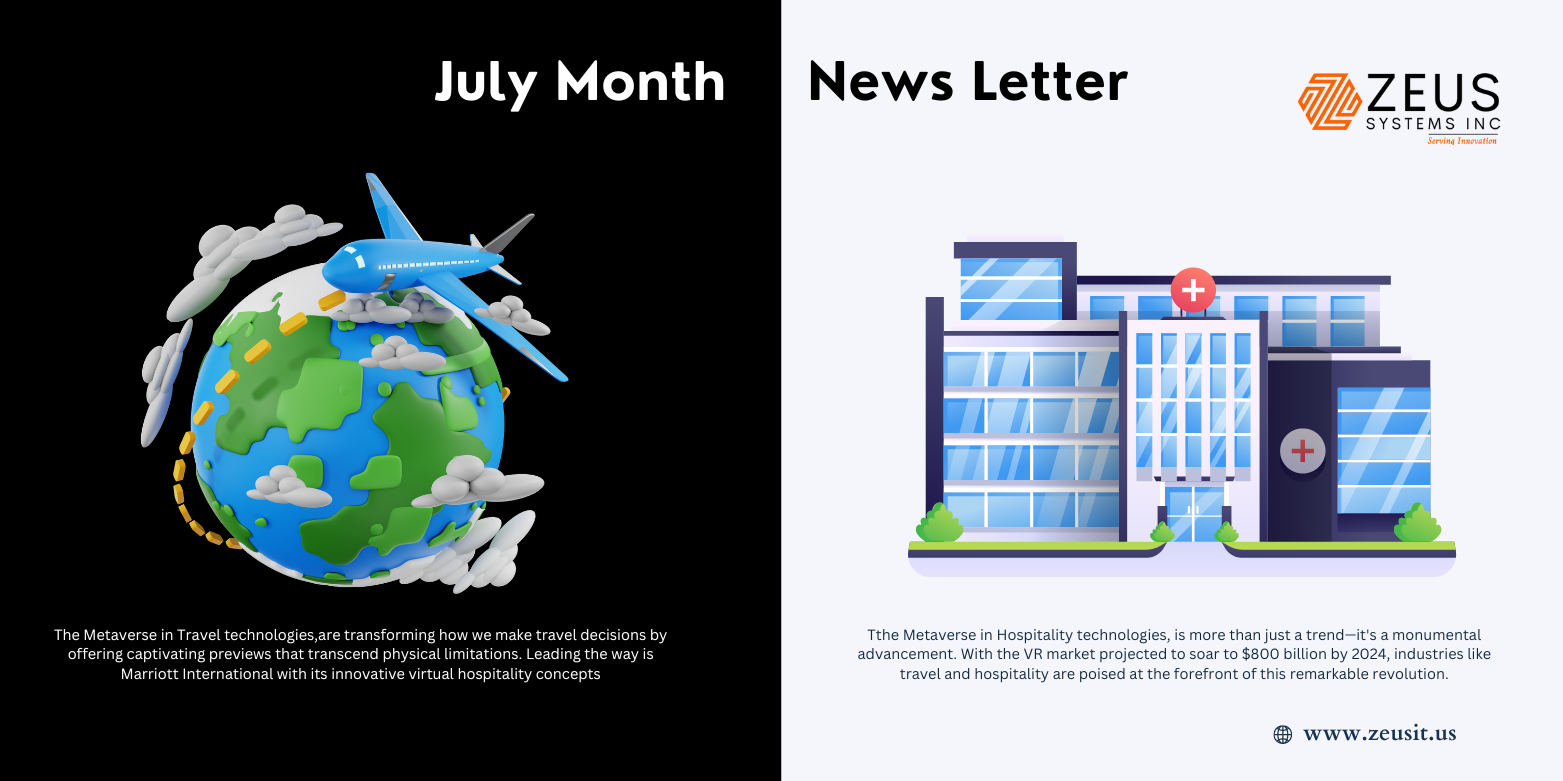
The future of travel and hospitality is being transformed by virtual experiences, heralding a new era where exploration knows no bounds. This shift, driven by the integration of metaverse technologies, is more than just a trend—it’s a monumental advancement. With the VR market projected to soar to $800 billion by 2024, industries like travel and hospitality are poised at the forefront of this remarkable revolution.

Imagine strolling through the bustling streets of Tokyo, diving into the vibrant depths of the Great Barrier Reef, or marveling at the ancient wonders of Machu Picchu—all from the comfort of your own home. This is the magic of the metaverse, where boundaries dissolve, and the possibilities are endless.

Hotels and resorts are now offering virtual rooms, suites, and villas, each providing unique and immersive experiences. Guests can relax on virtual beaches, enjoy spa treatments, or savor fine dining, all through the power of cutting-edge virtual reality.

Virtual tours, such as the acclaimed ‘Inside New Zealand VR Experience,’ are transforming how we make travel decisions by offering captivating previews that transcend physical limitations. Leading the way is Marriott International with its innovative virtual hospitality concepts, from online event spaces to interactive hotel tours, redefining how guests engage with accommodations.

The metaverse is more than just technology—it’s about connection and creativity. It allows travelers to fully immerse themselves in destinations before setting foot there, offering a chance to experience local culture, activities, and atmosphere firsthand.

Additionally, the metaverse acts as a catalyst for economic and societal evolution, creating virtual economies and pioneering new digital lifestyles. It is revolutionizing dining experiences with interactive restaurant tours, enabling guests to preview menus and engage with culinary offerings in unprecedented ways.

While navigating this digital frontier presents challenges such as technological complexity and accessibility, the potential for innovation and growth is astounding. The journey through the metaverse in travel and hospitality promises to uncover limitless opportunities.

Embarking on this Virtual Voyage, we discover new worlds, forge unforgettable experiences, and pioneer a future without physical boundaries. Together, we redefine what’s possible in travel and hospitality, harnessing the metaverse to create a future filled with wonder and endless possibilities.

netsuite architecture

Understanding the Architecture of NetSuite Implementation

    In today’s fast-paced business environment, efficiency and scalability are crucial for success. NetSuite, a leading cloud-based ERP system, offers a powerful suite of applications designed to streamline operations, enhance visibility, and drive growth. The architecture of NetSuite is central to its effectiveness, providing a robust, flexible, and scalable solution that adapts to the unique needs of each business.

    The Core Architecture of NetSuite

    Imagine a bustling marketplace, where different vendors manage their stalls. Each vendor has unique products and requirements, yet they all operate under the same roof, sharing resources and infrastructure. This analogy captures the essence of NetSuite’s multi-tenant architecture. Multiple organizations share the same software instance, each securely partitioned to ensure privacy and security. This model allows for efficient resource use, seamless upgrades, and consistent performance across the board.

    NetSuite’s modular architecture is akin to building with LEGO blocks. Businesses can select the modules they need, such as financial management, CRM, e-commerce, and inventory management, creating a tailored solution that fits their specific requirements. This modularity ensures flexibility, allowing businesses to add or remove functionalities as they grow and evolve.

    Customization is another cornerstone of NetSuite’s architecture. Picture a tailor crafting a bespoke suit. With SuiteCloud, NetSuite’s development platform, businesses can customize workflows, forms, and scripts to fit their unique processes. SuiteScript, SuiteFlow, and SuiteBuilder are the tools that enable this customization, ensuring that the software adapts to the business rather than the other way around.

    The underlying data model of NetSuite is highly relational, much like a well-organized library where every book is cataloged and cross-referenced. This structure supports complex data relationships and provides robust reporting and analytics capabilities, allowing businesses to gain deep insights and make informed decisions.

    Deployment Models

    NetSuite offers different deployment models to meet the diverse needs of businesses. For small to medium-sized companies with straightforward requirements, the standard implementation model follows a predefined process, ensuring quick deployment and minimal customization. It’s like getting a ready-to-wear outfit that fits perfectly off the rack.

    Larger organizations with complex needs might opt for an advanced implementation model, which involves detailed planning, extensive customization, and integration with existing systems. This is akin to commissioning a custom-made piece of furniture, tailored precisely to your specifications.

    For businesses operating globally, NetSuite’s architecture supports multi-subsidiary and multi-currency operations. The OneWorld module enables centralized management of multiple subsidiaries, ensuring consistency and compliance with local regulations. It’s like a global corporation managing various branches around the world from a central headquarters, maintaining uniform standards while respecting local nuances.

    Key Advantages

    The architecture of NetSuite offers several key advantages that contribute to its effectiveness as an ERP solution. Scalability is one of the most significant benefits. NetSuite grows with your business, whether you’re adding new users, expanding to new locations, or incorporating additional functionalities. This seamless scaling is like having a wardrobe that magically expands as your needs change, always providing the right fit.

    Real-time visibility into business operations is another powerful feature. With a unified data model and real-time processing, NetSuite offers unparalleled insights through customizable dashboards and reports. It’s like having a high-tech control room where you can monitor and manage every aspect of your business in real time, making proactive decisions and adjustments.

    NetSuite’s flexibility ensures that it can be tailored to fit the unique needs of any business. This adaptability extends to workflows, user interfaces, and data structures, allowing businesses to create a system that works best for them. It’s like having a versatile toolkit that can be adjusted to tackle any job, no matter how unique or complex.

    One of the most significant benefits of NetSuite is its ability to reduce IT overhead. As a cloud-based solution, it eliminates the need for on-premises hardware and software, reducing maintenance costs and ensuring that businesses always have access to the latest features and updates without the hassle of manual upgrades. This is like having a self-maintaining machine that continuously upgrades itself, freeing you from the burden of constant upkeep.

    Security and compliance are also paramount in NetSuite’s architecture. The multi-tenant model ensures that data is securely partitioned and protected, with regular security updates and compliance with global standards. This provides peace of mind, knowing that your sensitive information is safe and secure, much like a high-security vault protecting your valuable assets.

    Conclusion

    The architecture of NetSuite implementation is a testament to its ability to provide a robust, scalable, and flexible solution for businesses of all sizes. By leveraging a multi-tenant cloud platform, a modular suite of applications, and extensive customization options, NetSuite empowers organizations to streamline their operations, gain real-time insights, and drive growth.

    Understanding and leveraging the architecture of NetSuite is a critical step towards achieving your business goals in today’s dynamic market. With its innovative design and comprehensive capabilities, NetSuite is more than just a software solution; it’s a strategic partner in your journey to success.


    References

    1. NetSuite. (2024). NetSuite ERP: Cloud Business Software. Retrieved from NetSuite
    2. Gaughan, D. (2023). “A Comprehensive Guide to NetSuite’s Cloud ERP Platform.” Tech Insights Journal.
    3. Anderson, L. (2023). “Customizing NetSuite for Your Business Needs.” Business Technology Review.
    4. Smith, J. (2023). “Scaling Your Business with NetSuite’s Modular Architecture.” Enterprise Solutions Magazine.
    5. TechGenius Inc. Implementation Report (2023). Internal company documentation.
    AR versus VR

    The Impact of Augmented Reality (AR) and Virtual Reality (VR) on Modern Business Practices

    Augmented Reality (AR) and Virtual Reality (VR) are reshaping the modern business landscape, offering multifaceted advantages. Businesses harness AR to elevate customer engagement, allowing consumers to visualize products in real-world contexts. VR transforms employee training through simulated environments, enhancing skills and productivity. In operations, AR optimizes supply chains, while VR guides streamline maintenance tasks. However, the integration of these technologies poses challenges, including substantial initial investments and data security considerations. As businesses navigate this transformative journey, the strategic adoption of AR and VR emerges as a crucial component for staying competitive and innovative.

    How-to-View-When-an-Instagram-Account-Was-Created

    Instagram: A Deep Dive into the Software Behind the Filters

    Beyond the Code:

    Instagram’s success is more than just technology. A user-friendly interface, engaging features, and a vibrant community of creators all contribute to its immense popularity. So, the next time you lose yourself in a scroll session, remember, it’s not just about the pictures, it’s about the intricate symphony of technology that makes it all possible.

    This brief overview provides a glimpse into the complex world behind Instagram, showcasing the innovative technology that fuels its success. With its focus on user experience, adaptability, and intelligent algorithms, Instagram continues to evolve and shape the way we connect and share visually.

    Sustainable Technology

    Sustainable Practices in Software Development

    Diving into the heart of software development, our latest exploration uncovers a transformative journey towards sustainability. ‘Sustainable Practices in Software Development’ unveils a landscape where every line of code contributes to a greener future. From energy-efficient coding practices to embracing the power of the cloud for sustainable deployments, the software industry is rewriting its narrative. Join us as we navigate the realms of open-source collaboration, circular economy considerations, and the integration of AI for sustainable development. This is more than just code; it’s a commitment to making software a driving force for positive change in our quest for a more eco-conscious tomorrow.

    Quantum Computing

    Quantum Computing Unveiled

    Embark on a journey into the quantum realm, where computing defies classical limitations. Quantum computing, epitomized by the prowess of IBM Quantum and Google Quantum AI, promises a paradigm shift in technology. With qubits in a dance of superposition and entanglement, industries stand at the brink of revolutionary change from cryptography’s quantum-resistant future to quantum-powered breakthroughs in drug discovery, finance, and machine learning. Yet, challenges like decoherence and scalability linger, underscoring the frontier nature of this transformative technology. Brace for the quantum era, where innovation knows no bounds and computing enters uncharted territory.